Strategies for Businesses Amid Rising Costs Driven by Middle East Tensions
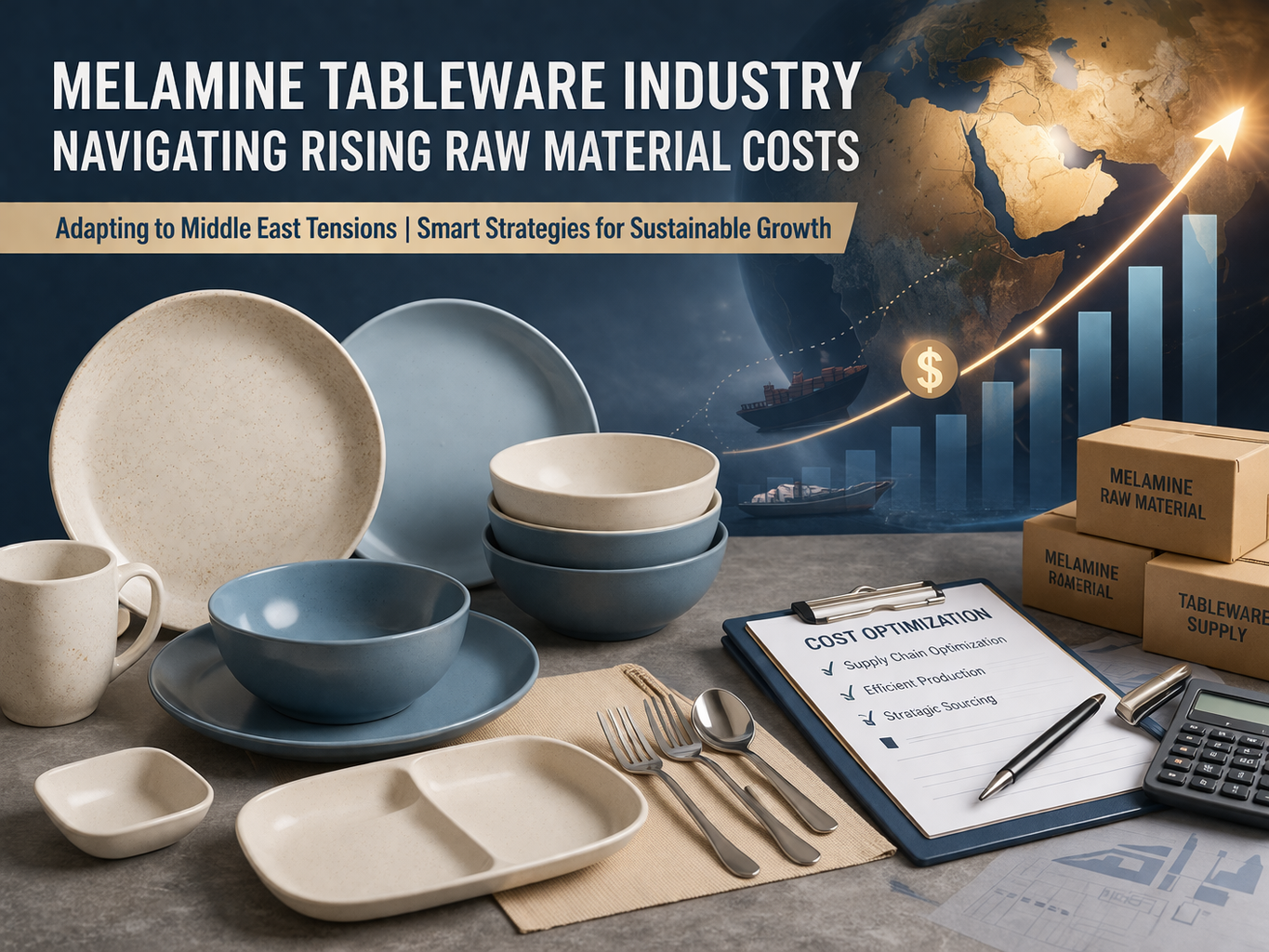
Recently, ongoing tensions in the Middle East have caused significant fluctuations in global commodity prices, especially in the chemical sector. Among them, the increase in melamine raw materials has become particularly evident, directly impacting downstream industries, especially the melamine tableware sector.
From a cost perspective, the rise in melamine raw materials puts substantial pressure on manufacturers. Since raw materials account for a large portion of total production costs, continuous increases will significantly reduce profit margins. Therefore, companies should reassess their procurement strategies, such as securing long-term contracts or exploring alternative suppliers to mitigate risks associated with melamine raw materials.
On the production side, businesses can optimize product design and manufacturing processes to reduce material consumption per unit. By improving efficiency and minimizing waste, companies can offset the impact of material price increase. Additionally, for melamine tableware products, developing differentiated product lines with higher added value can help strengthen market competitiveness.
In terms of market strategy, companies may need to adjust their pricing structures. Although material price increase is unavoidable, it is crucial to manage the pace of price adjustments carefully to avoid losing customers. Strengthening brand value and improving service quality can enhance customer acceptance of melamine tableware products despite price changes.
Inventory management is also a key factor. Maintaining a balanced inventory can provide a buffer against price volatility. For example, purchasing more melamine raw materials when prices are relatively low and reducing procurement when prices are high can help control overall costs.
In the long term, companies should focus on diversifying supply chains and improving risk management systems. Expanding sourcing channels across different regions can reduce dependency on any single market and help cope with uncertainties such as Middle East tensions. At the same time, investing in innovation to reduce reliance on volatile materials is essential.
Overall, in the face of continuous material price increase, businesses must adopt coordinated strategies across procurement, production, and sales to maintain competitiveness and support the sustainable development of the melamine tableware industry.
Tags: melamine tableware, melamine raw materials, material price increase